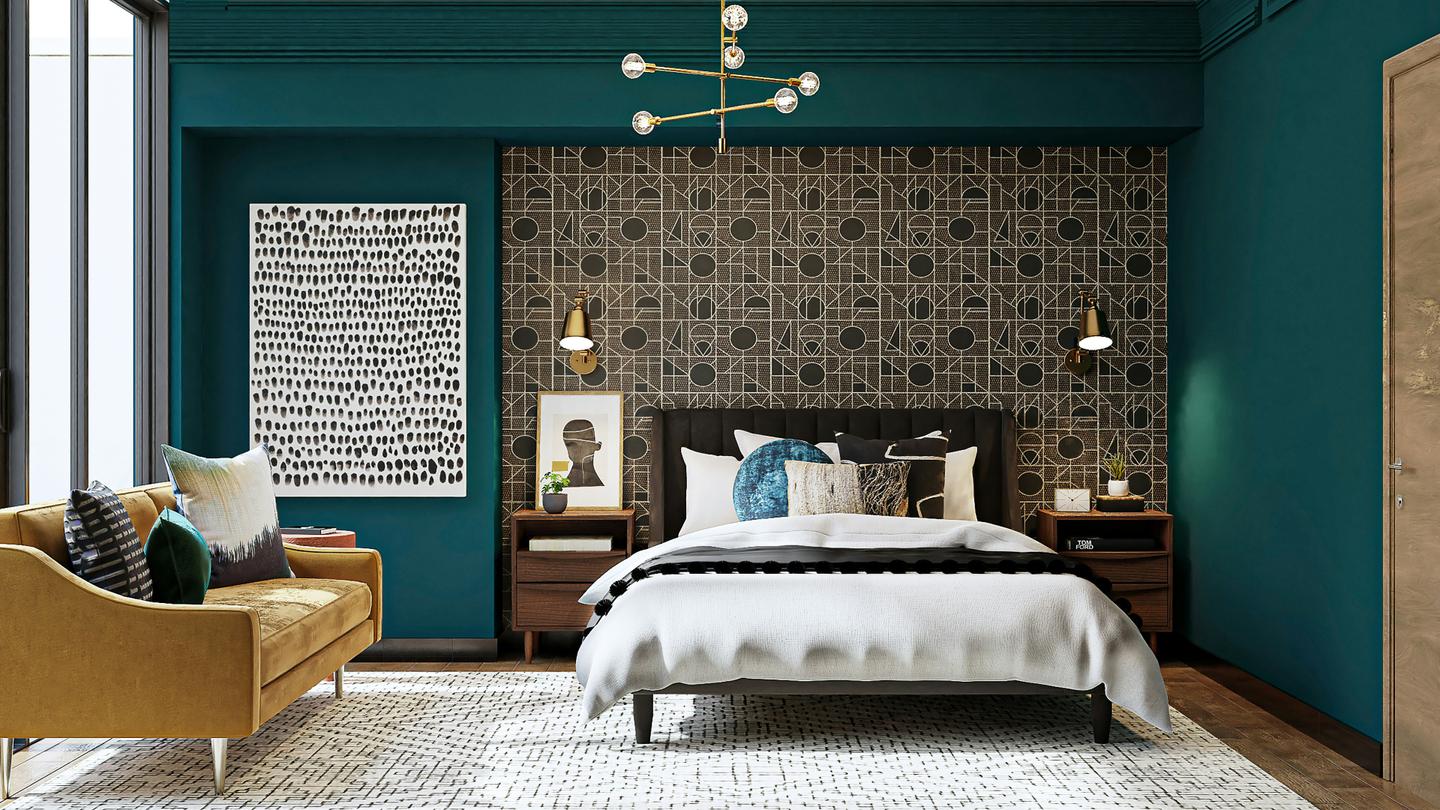
Why Beautiful Furniture Can Still Make a Bad Room
Have you ever seen a piece of furniture that you absolutely loved, bought it, and then wondered why it somehow didn't look right in your home?
It happens more often than people think. A beautiful sofa can look great in a showroom. So can a coffee table, a rug, a lamp, or a piece of artwork. But put all of them together without considering how they relate to one another, and the room can start to feel strangely disconnected.
That's because a well-designed room isn't really a collection of beautiful objects. It's a collection of relationships between them.
The Problem With Buying One Piece at a Time
Most of us don't furnish a room all at once. We buy a sofa first, find a coffee table a few months later, add a rug when we find a good one, and eventually pick up a lamp or some artwork because we like it.
There's nothing wrong with doing this. The problem is that every purchase is being judged on its own.
You might end up with a beautiful walnut table, a cool grey sofa, a brass lamp, and a colourful rug. Each piece works perfectly by itself, but together they may have completely different tones, proportions, or styles.
Good design isn't about finding pieces that look good individually. It's about finding pieces that make each other look better.
It's Not About Everything Matching
This doesn't mean your furniture needs to come from the same collection or that everything has to match.
In fact, rooms can become much more interesting when different styles are mixed thoughtfully. A modern sofa can work beautifully with a vintage wooden table. A simple room can handle a bold piece of artwork. The trick is finding something that connects them, perhaps a similar colour, material, shape, proportion, or even just a shared sense of warmth.
Think of it like putting together an outfit. Your shoes, jacket, and trousers don't have to be identical. They just need to make sense together.
Scale Matters More Than We Think
One of the easiest ways to make a room feel "off" is to get the scale wrong.
A coffee table might be beautiful but too small for the sofa. A rug might be gorgeous but too small for the seating area. A pendant light might look perfect online but completely disappear above a large dining table.
These are things that are difficult to understand from a product photograph alone. Furniture doesn't exist in isolation; it exists in a room.
Before asking whether you love a piece, it's worth asking whether its size and proportions make sense with what you already have.
Colour and Material Need a Conversation
The same idea applies to colour and materials. A room doesn't need to follow a strict colour palette, but there should usually be some connection between the different elements.
- Maybe the warmth of an oak table is picked up again in a wooden shelf.
- Maybe the black metal of a floor lamp appears subtly in the furniture hardware.
- Maybe the muted green in a rug is repeated in a cushion or piece of artwork.
These small repetitions are what make a room feel cohesive without making it look like everything was bought from the same catalogue.
And Sometimes, Less Really Is More
There's another part of interior design that is surprisingly difficult: knowing when to stop.
When you've found something beautiful, it can be tempting to find a place for it. But not every empty corner needs a chair, every wall needs artwork, or every shelf needs decoration.
A little breathing room can make the things you already love stand out more.
A Room Is More Than Its Products
This is probably the biggest thing we believe at Urban Nest: interior design shouldn't feel like a shopping list.
You shouldn't have to buy a beautiful sofa, a beautiful table, a beautiful lamp, and hope that somehow they become a beautiful room.
The best interiors happen when the individual pieces are considered together: their colours, materials, proportions, lighting, and the way they interact with the space around them.
Because ultimately, the goal isn't to fill your home with beautiful things.
It's to create a home where those things belong together.
Urban Nest Editorial