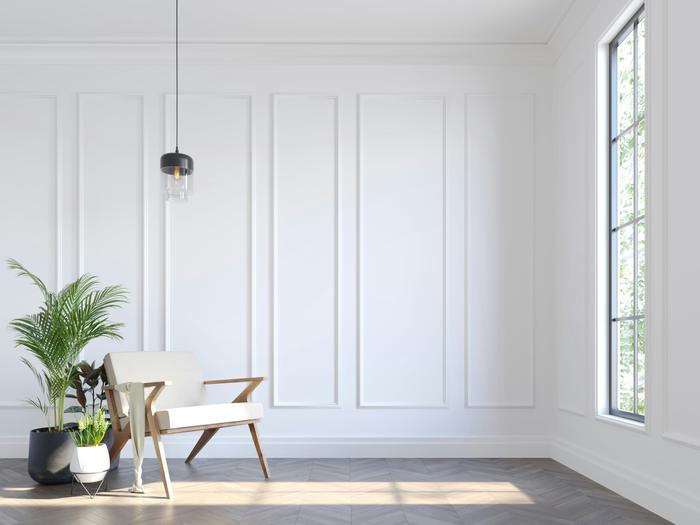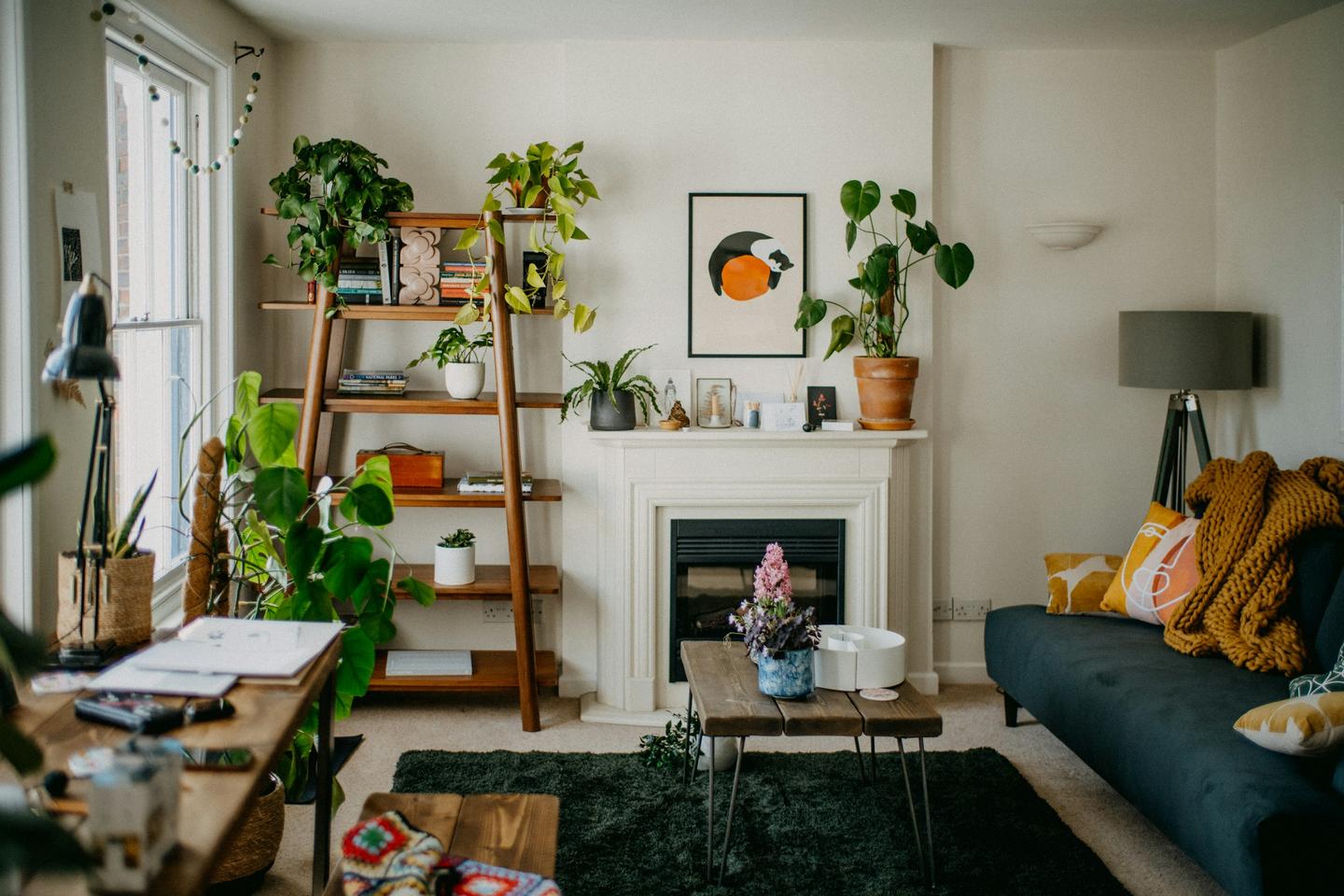
There’s a difference between a home that is filled with beautiful things and a home that feels beautifully considered.
The first is decorating.
The second is designing.
The distinction may sound subtle, but it changes the way we think about our spaces. Decorating often begins with a question: What should I add? Designing begins somewhere else: What should this space feel like?
A well-designed home isn't necessarily larger, more expensive, or filled with designer furniture. In fact, some of the most inviting spaces are built around fairly simple choices: the right proportions, a restrained palette, natural textures, thoughtful lighting, and objects that have a reason to be there.
Decorating adds. Designing decides.
Decorating is often about the visible layer of a home: cushions, artwork, vases, rugs, candles, trays and decorative objects. These things can instantly change a room, and there is absolutely nothing wrong with that.
But when every empty surface becomes an invitation to add something, a room can quickly become crowded.
Design asks a different question.
Instead of asking what can be added, it asks what should remain.
Where should the eye rest?
Which objects deserve attention?
How should one material interact with another?
Does the room feel balanced?
Is there enough empty space?
Sometimes the best design decision is not adding another beautiful object. It's leaving a little room around the ones already there.
A beautiful room isn't about matching everything
One of the easiest ways to decorate a home is to buy everything as a set.
The same colour. The same material. The same finish.
It feels safe, but it can also make a room feel predictable.
Good design is more interested in relationship than repetition.
A warm wooden surface might sit alongside stone. Soft textiles can contrast with harder finishes. A muted palette can be given depth through different textures rather than a dozen different colours.
The individual pieces don't need to be identical. They simply need to belong together.
This is why a collection of carefully chosen objects can feel more cohesive than a room full of individually beautiful purchases.
Proportion matters more than price
A ₹500 object can look completely at home in a beautifully designed space, while a much more expensive piece can feel out of place.
Why?
Often, it's proportion.
A small object sitting alone on a large surface may disappear. Several large objects crowded onto a narrow shelf can feel overwhelming. A rug that's too small can make an entire living room feel disconnected.
Design is largely about understanding these relationships.
Before asking “Is this beautiful?”, it can be useful to ask:
“Is this the right size, shape and scale for this space?”
It's a surprisingly powerful question.
The details we interact with every day matter
We tend to think about design in terms of the big decisions: the sofa, the dining table, the flooring, the kitchen cabinets.
But we interact with dozens of smaller objects every single day.
The soap dispenser beside the sink.
The jar on the kitchen counter.
The rug beneath our feet.
The tray that gathers the things we carry into a room.
The object sitting quietly on a bedside table.
These aren't insignificant simply because they're small.
In many ways, they're what make a home feel lived in and intentional.
A beautiful home isn't created only by the things we notice from across the room. It's created by the details we encounter when we're actually living in it.
Design is about creating a feeling
Perhaps the biggest difference between decorating and designing is that decorating tends to focus on appearance, while design considers experience.
What should it feel like to walk into the room in the morning?
Should the bedroom feel quiet and restful?
Should the kitchen feel organised and effortless?
Should the living room encourage conversation?
Should the bathroom feel clean, calm and unhurried?
Once you know the feeling you're trying to create, your choices become much easier.
You don't need to chase every new trend. You don't need to buy something simply because it looks good in someone else's home.
You can choose based on whether it belongs in your home.
Curate, don't accumulate
This might be the simplest way to think about it.
Decorating is collecting things you like.
Designing is curating the things you keep.
That doesn't mean a home should be minimalist or empty. A home should have personality. It should show the people who live there.
But personality doesn't require clutter.
The goal isn't to have fewer things for the sake of having fewer things. It's to have things that work together: objects that are useful, beautiful, meaningful, or simply make everyday life a little better.
Over time, these choices create something much more personal than a particular interior style.
They create a home.
The home should feel like you
There will always be another trend, another colour palette, another piece of furniture that looks perfect somewhere else.
But a well-designed home doesn't need to follow every trend.
It needs to make sense for the people who live in it.
That's ultimately what separates decorating from designing.
Decorating asks, “What looks good here?”
Design asks, “What belongs here?”
And sometimes, that small shift in thinking is all it takes to start seeing your home differently.
Because a beautiful home isn't built by filling every corner.
It's built by choosing what deserves to be there.