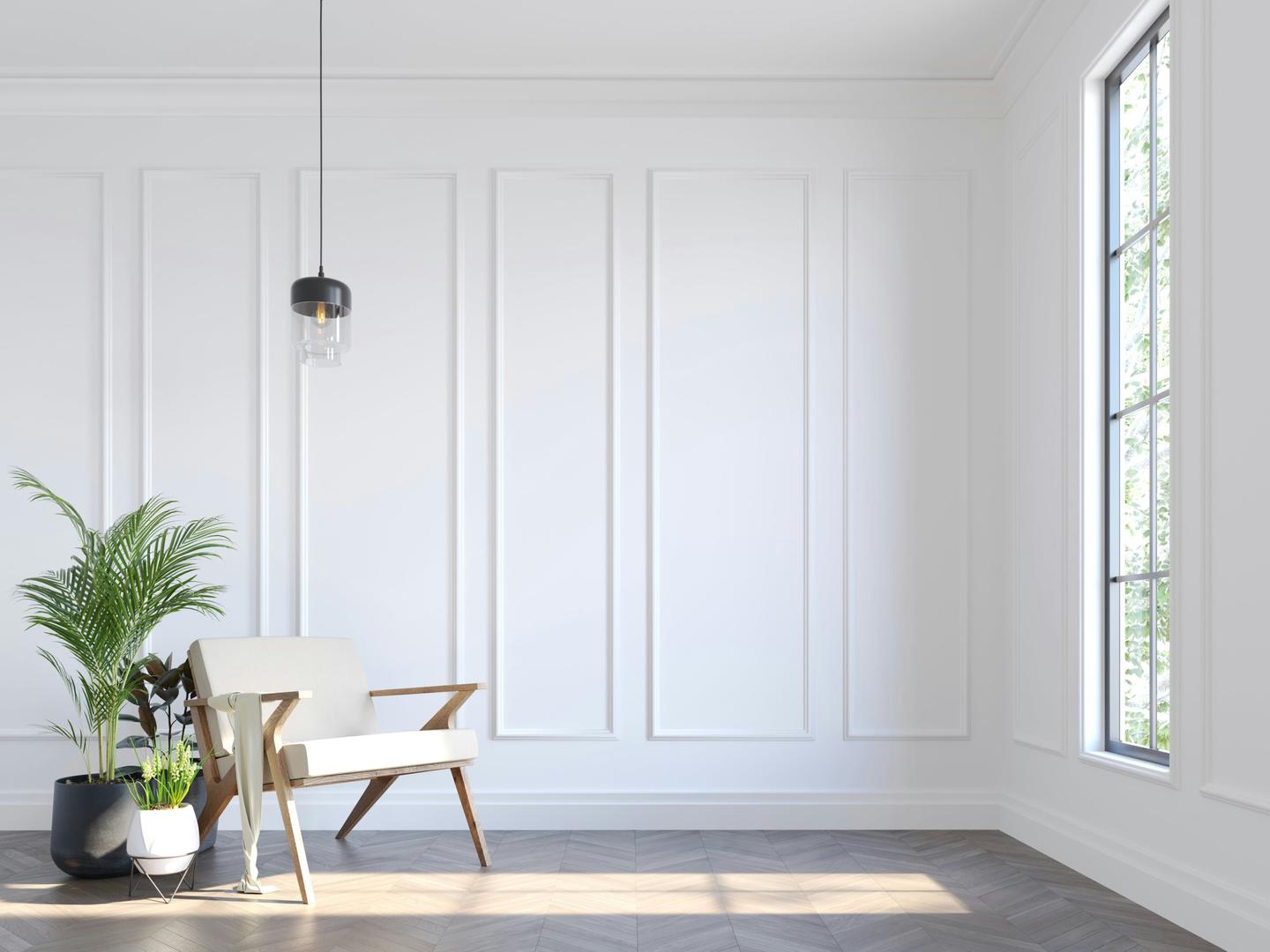
A room can have beautiful furniture, colour, and lighting yet still feel unfinished. Increasingly, homeowners and designers are turning to a classic architectural detail to bring walls back into focus: modern wall trims and mouldings.
Once associated mainly with traditional interiors, mouldings are making a comeback in fresh, contemporary forms. Slim profiles, clean lines, geometric layouts, and minimalist panelling can add structure, depth, and character without requiring a major renovation.
Turning Blank Walls Into Designed Features
Modern wall trims make walls feel like part of the interior design rather than simple backdrops. Framed panels, arches, linear details, and geometric patterns can create visual zones for:
- Artwork and mirrors
- Accent lighting
- Contrasting colours
- Decorative focal points
- Media units and furniture groupings
Even a modest amount of moulding can have a significant visual impact. A simple grid or a few carefully placed panels can transform a flat wall into a considered architectural feature.
Why Mouldings Are Making a Comeback
The renewed popularity of mouldings reflects a wider interest in interiors that feel layered, personal, and architectural. Modern spaces can sometimes appear overly plain, particularly when they rely on large expanses of painted walls. Trims introduce detail and craftsmanship while still working with contemporary furniture and finishes.
Today’s mouldings are also more versatile than traditional decorative styles. Minimal profiles can create a refined look, while bold geometric arrangements offer a more expressive, design-led finish. This makes them suitable for everything from compact apartments to open-plan homes.
Adding Architectural Character
Wall trims can suggest decorative panelling, framed openings, or bespoke detailing without changing the structure of a room. This makes them especially useful in apartments and other spaces where extensive construction is impractical.
They can also help define different areas within an open-plan interior. A moulded feature wall behind a sofa, bed, dining table, or television can give the space a stronger sense of purpose and visual balance.
Why Proportion Matters
A successful trim design depends on careful planning. Consider:
- The size and shape of each frame
- Spacing between panels
- Alignment with doors and windows
- The height at which the design begins
- The overall scale of the room
- The relationship between the moulding and nearby furniture
Well-planned proportions create balance and rhythm, while crowded or uneven layouts can make a wall feel unsettled. Modern moulding designs often rely on restraint, with generous spacing and clean, consistent lines.
A Style for Every Interior
Modern wall trims and mouldings can suit many design styles:
- Traditional moulding adds elegance and heritage
- Slim profiles complement contemporary rooms
- Arches create softness and warmth
- Geometric designs make a modern statement
- Vertical trims can emphasise ceiling height
- Horizontal details can make a room feel wider
Matching the trim to the wall creates a subtle, seamless finish, while contrasting colours make the details stand out. Painting the moulding and wall in the same shade is a popular modern approach, allowing shadows and texture to create interest without introducing strong contrast.
Lighting can further enhance the moulding through highlights and shadows. Wall lights, concealed LED strips, and directional spotlights can emphasise the depth of the design and make the feature feel more architectural.
When Less Is More
The best modern trim designs do not always demand attention. They can add texture, frame artwork, and make a room feel more considered without overwhelming the space.
A simple, well-placed moulding design can introduce symmetry, depth, and visual interest. As mouldings make their comeback, their appeal lies in their ability to combine timeless architectural character with a clean, contemporary finish.
Sometimes, all a plain wall needs is a little structure to give the entire room a more cohesive and finished identity.